


Abdominoplasty (Tummy Tuck)
Surgery that removes excess skin and subcutaneous fat from the abdomen and restores the rectus muscles. It suits patients after pregnancy or major weight loss, when the abdominal skin has lost its elasticity.

Abdominoplasty (tummy tuck) is a surgical procedure that removes excess skin and subcutaneous fat from the abdomen and, where needed, repairs separated rectus muscles (diastasis recti). It restores firmness and contour to the abdominal wall in patients for whom diet and exercise no longer help — most often after pregnancy or substantial weight loss.
How preparation and surgery proceed
Preparation begins with a consultation and examination, during which the surgeon assesses the condition of the abdominal tissues, the extent of the procedure and the patient's expectations. A standard pre-operative work-up is required: general and biochemical blood tests, a coagulation profile, an ECG and a consultation with the anaesthesiologist. Patients are advised to stop smoking and to discontinue medications that affect blood clotting. Those travelling from abroad can first have an online consultation and then plan their stay so that the operation, the early follow-up visits and the return trip fit into a single visit.
The operation is performed under general anaesthesia and takes approximately 2–3 hours, depending on the extent of the work. The incision is placed in the lower abdomen along the bikini line; through it the excess tissue is removed and, if necessary, the diastasis is repaired, followed by cosmetic sutures and drains. The patient then stays in the clinic under observation.
During the first weeks after surgery a compression garment is worn and physical strain is limited; most patients return to their normal routine within 3–4 weeks. A realistic outcome is a firmer, flatter abdomen with a scar in its lower part that fades over time. The removed tissue does not return, but the durability of the result depends on body weight and lifestyle. Confidentiality is maintained at every stage, from consultation to post-operative follow-up.
Indications
- Excess, stretched abdominal skin after pregnancy and childbirth
- Diastasis recti (separation of the abdominal rectus muscles)
- Excess skin and fat after significant weight loss
- Age-related loss of abdominal skin elasticity
- Localised abdominal fat deposits that do not respond to diet or exercise
- Pronounced stretch marks (striae) below the navel
Contraindications
- Decompensated diabetes mellitus
- Acute cardiovascular conditions
- Blood clotting disorders
- Active infection or inflammation in the surgical area
- Pregnancy, breastfeeding, or planned pregnancy in the near future
How the operation goes
From the first consultation to follow-up visits.
Consultation: examination, assessment of the abdominal tissues, discussion of the patient's expectations
Work-up: general and biochemical blood tests, coagulation profile, ECG, anaesthesiologist consultation
Surgery under general anaesthesia, approximately 2–3 hours depending on the extent
Inpatient observation under the care of the medical team
Stitch removal or check-up visit at 7–14 days, followed by scheduled reviews
Week-by-week recovery
Timeframes are approximate: the individual recovery plan is set at the consultation.
Early post-operative period
Compression garment, limited physical activity and rest. Swelling and a feeling of tightness in the abdomen are possible.
Back to daily routine
Stitches are removed and swelling gradually subsides. Walking and light household tasks are allowed; desk work with the surgeon's approval.
Return to work
Most patients return to work that does not involve physical strain. The compression garment is worn as recommended.
Result stabilisation
Swelling decreases considerably and the abdominal contour becomes more defined. Moderate exercise is allowed.
Final formation
Scars fade and soften into their final appearance. The result holds provided body weight remains stable.
Frequently asked questions
How much does abdominoplasty cost, and is it painful?
The guide price for abdominoplasty is from $4110, or from $4600 with diastasis or hernia repair; the exact cost is determined after consultation and examination. The operation is performed under general anaesthesia, so there is no pain during surgery. Afterwards, a feeling of tightness and discomfort is possible and is managed with pain relief.
Will the scars be visible?
The incision is placed in the lower abdomen, along the bikini line, so the scar remains hidden under ordinary clothing. Over time it fades and softens; the final appearance depends on individual skin healing.
When can I return to work and exercise?
Most patients return to work that involves no physical strain within 3–4 weeks. Full gym training is allowed no earlier than 2–3 months, subject to the surgeon's approval.
Is the result permanent?
The removed tissue does not grow back, but the result depends largely on stable body weight. Pregnancy or significant weight fluctuations can alter the abdominal contour, so it is sensible to plan the surgery after childbearing is complete.
What are the risks of abdominoplasty?
As with any surgical procedure, abdominoplasty carries risks such as bleeding, infection and impaired wound healing. Thorough pre-operative screening and following the rehabilitation instructions reduce these risks considerably.
Results: before and after
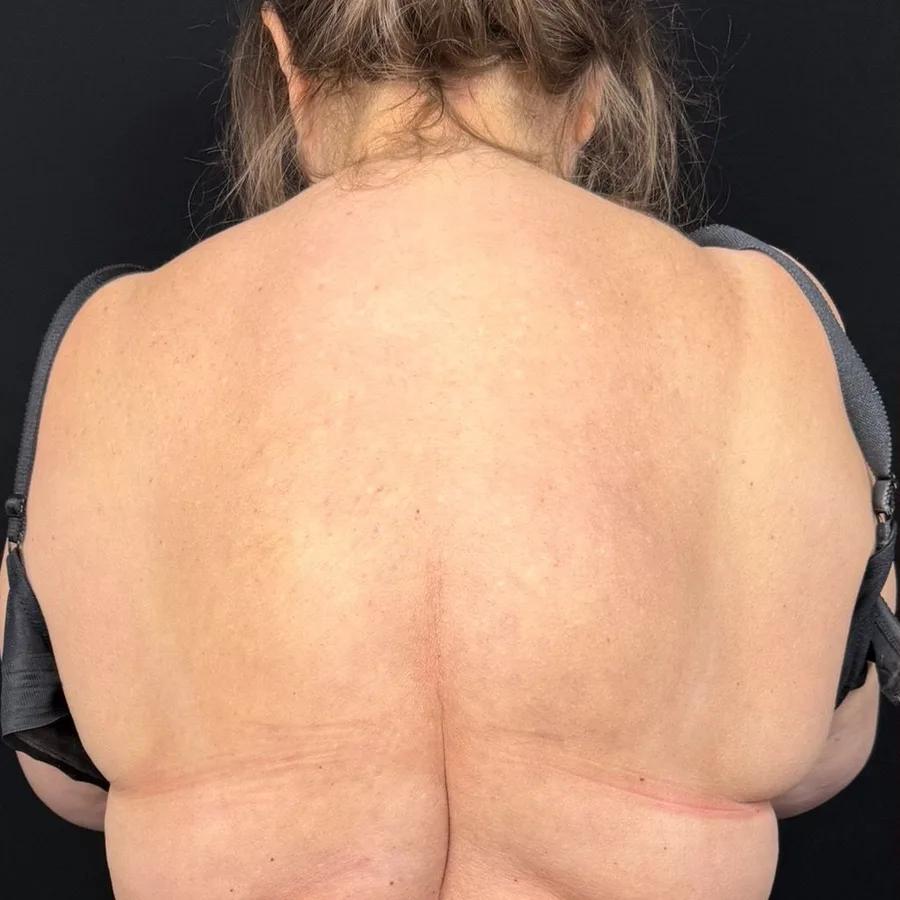 Before
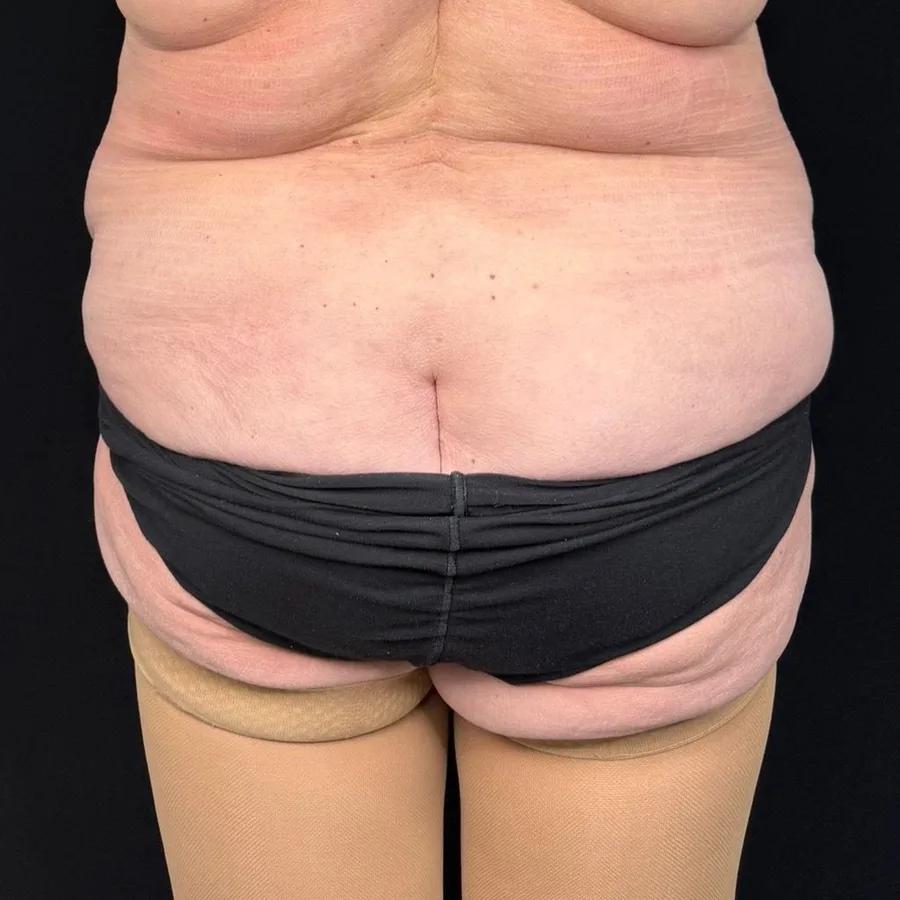 After
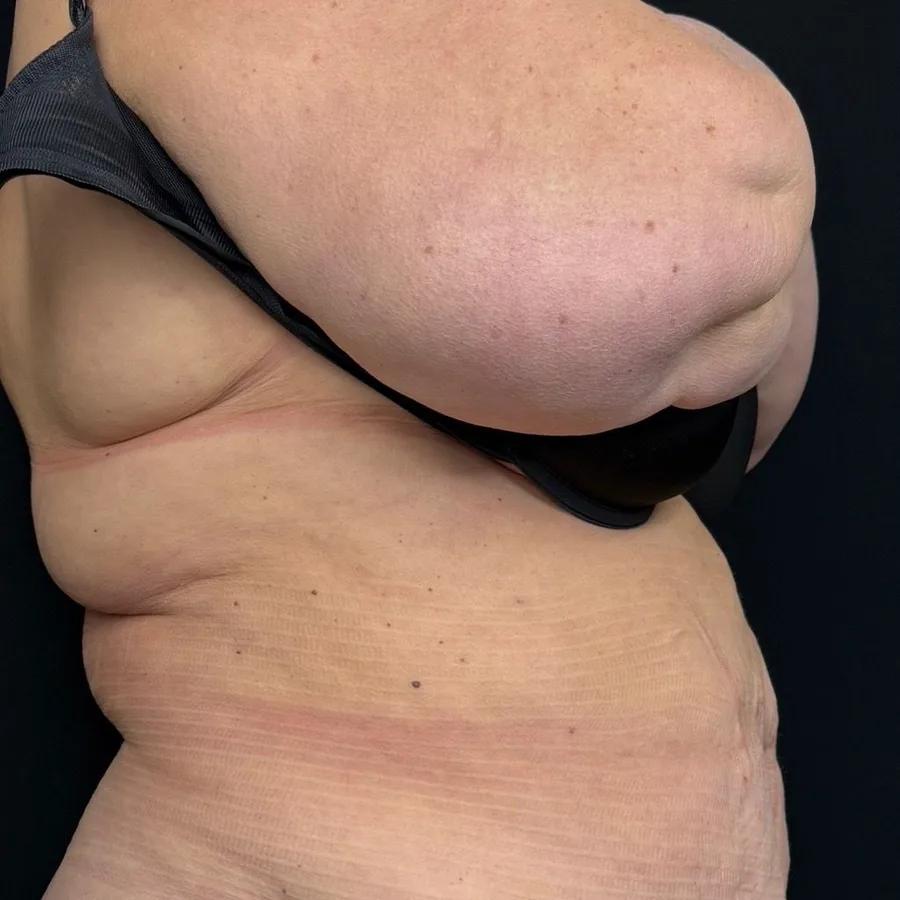 Before
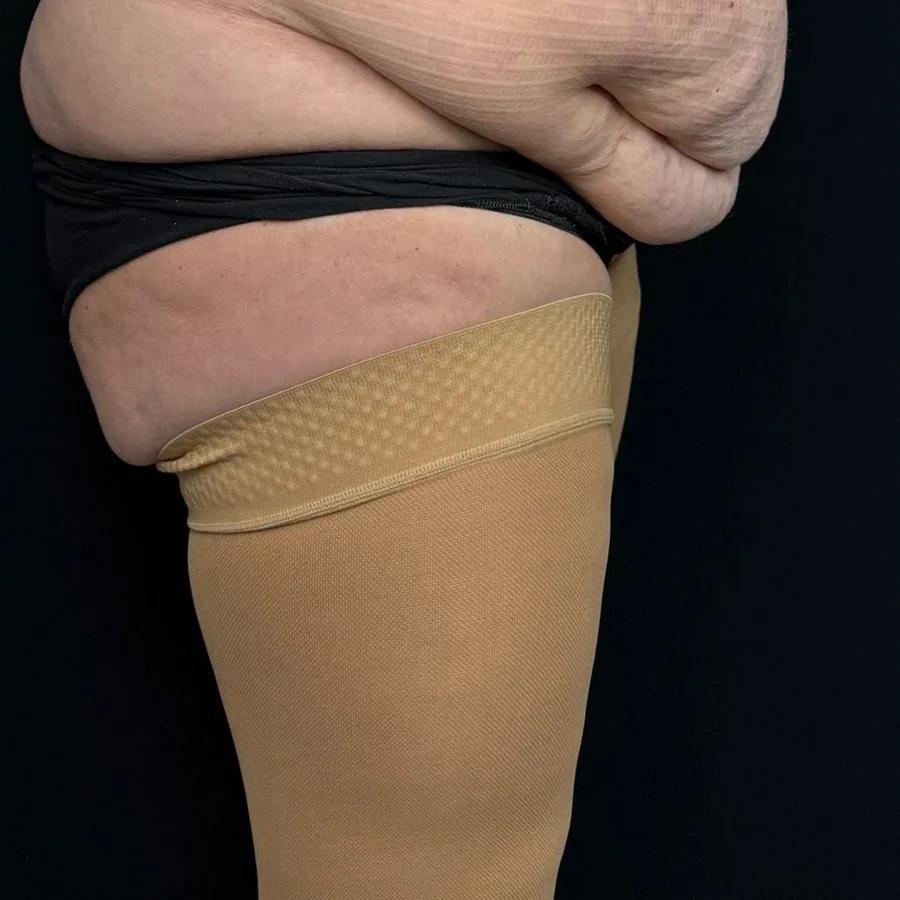 After
Patient reviews
After losing 30 kg I was left with an apron of skin — exercise cannot fix that, and the doctor honestly explained why. Abdominoplasty with diastasis repair took four hours. Compression garment for eight weeks, but by week three I was wearing pre-op wardrobe jeans that no longer fit. The scar is long but lies along the bikini line, and the doctor showed me in advance how it would look in a year.
Useful articles
Consultation with the surgeon
We will discuss your goal, show similar cases and name the exact price.